
In recent years, TikTok has transformed from a simple video-sharing app into a major marketing platform. At the heart of this transformation is tiktok ads manager, a powerful tool designed to help businesses reach millions of users through targeted advertising. Understanding how TikTok Ads Manager works and leveraging its features can significantly enhance your digital marketing strategy.
TikTok Ads Manager is a user-friendly platform that allows advertisers to create, manage, and optimize their ad campaigns efficiently. Unlike other social media ad platforms, TikTok Ads Manager is tailored to the unique content style and audience of TikTok, making it easier to connect with younger demographics. By using TikTok Ads Manager, brands can tap into the app’s highly engaged user base and deliver ads that blend seamlessly with organic content.
One of the key advantages of TikTok Ads Manager is its advanced targeting options. Advertisers can use demographic information, interests, behaviors, and even device types to ensure their ads reach the right audience. This precision targeting in TikTok Ads Manager allows brands to maximize their ad spend by focusing on users most likely to convert. The platform also supports lookalike audiences, enabling marketers to find new potential customers who resemble their existing ones.
Creating an ad campaign in TikTok Ads Manager starts with setting clear objectives. The platform offers several campaign goals, including brand awareness, traffic, app installs, and conversions. Selecting the right objective in TikTok Ads Manager helps the algorithm optimize ad delivery to meet your specific marketing goals. With a well-defined objective, advertisers can better measure the success of their campaigns and adjust their strategies accordingly.
TikTok Ads Manager provides multiple ad formats to suit different marketing needs. From in-feed ads that appear naturally in users’ content feeds to branded hashtag challenges that encourage user participation, TikTok Ads Manager supports a variety of creative options. These diverse formats enable brands to experiment with different storytelling approaches and engage users in ways that feel authentic on TikTok.
Another important feature of TikTok Ads Manager is its robust analytics dashboard. Advertisers can track metrics such as impressions, clicks, conversions, and engagement rates in real time. The detailed reporting in TikTok Ads Manager helps marketers understand which ads are performing well and which need adjustment. With these insights, advertisers can optimize their campaigns to improve return on investment.
Budgeting and bidding are critical components within TikTok Ads Manager. The platform offers flexible budgeting options, allowing advertisers to set daily or total campaign budgets. TikTok Ads Manager also supports several bidding strategies, such as cost per click (CPC), cost per mille (CPM), and cost per acquisition (CPA). By selecting the right budgeting and bidding approach, brands can control costs while maximizing ad effectiveness.
TikTok Ads Manager also integrates seamlessly with third-party tools and platforms, enhancing its functionality. For example, advertisers can connect TikTok Ads Manager with customer relationship management (CRM) systems or analytics software to better track leads and sales generated from ads. This integration capability makes TikTok Ads Manager a versatile part of a broader marketing tech stack.
For businesses new to TikTok Ads Manager, the platform offers extensive resources and tutorials to help advertisers get started. TikTok provides detailed guides on campaign setup, creative best practices, and audience targeting strategies. Leveraging these resources can reduce the learning curve and enable marketers to launch effective campaigns more quickly through TikTok Ads Manager.
In summary, TikTok Ads Manager is an essential tool for any business looking to expand its digital presence on one of the fastest-growing social media platforms. By offering advanced targeting, diverse ad formats, robust analytics, and flexible budgeting, TikTok Ads Manager empowers marketers to create engaging campaigns that resonate with their audience. Whether you are a small business or a large enterprise, mastering TikTok Ads Manager can unlock new opportunities for growth and brand awareness.
As TikTok continues to evolve, TikTok Ads Manager will likely introduce new features and capabilities to help advertisers stay ahead. Staying updated with the latest trends and tools within TikTok Ads Manager will be crucial for maintaining a competitive edge. Embracing this platform today means positioning your brand to thrive in the dynamic world of social media advertising tomorrow.
Traveling to Boston Logan International Airport can be a stressful experience, especially when factoring in traffic, timing, and the need for reliable transportation. Utilizing a Car service to Boston Airport with real-time updates can transform this process into a smooth, worry-free journey. This modern approach not only ensures punctual arrivals and departures but also provides peace of mind by keeping passengers informed every step of the way.

One of the biggest challenges when booking a car service to Boston Airport is uncertainty. Traditional car services often lack transparency, leaving travelers guessing about the driver’s location and estimated arrival time. However, opting for a car service to Boston Airport with real-time updates eliminates this guesswork. Passengers receive instant notifications on their phones, showing the vehicle’s exact position and expected arrival time. This feature is particularly valuable for early morning or late-night flights when timing is critical.
The benefits of a car service to Boston Airport with real-time updates extend beyond convenience. For business travelers, this service allows for efficient time management. Instead of waiting anxiously or making last-minute calls, travelers can focus on their work or relax, knowing that their ride’s progress is monitored in real-time. This level of transparency also reduces the chances of missing flights due to delays in pickup or unexpected traffic conditions.
Families traveling with children or elderly passengers can also greatly benefit from a car service to Boston Airport with real-time updates. Coordinating schedules and ensuring a timely arrival at the airport can be complex, especially when multiple people are involved. Real-time updates provide reassurance by showing exactly when the driver is approaching, allowing families to prepare accordingly and avoid any last-minute rush or confusion.
Technology plays a crucial role in enhancing the overall experience of a car service to Boston Airport with real-time updates. GPS tracking combined with mobile apps enables users to access up-to-the-minute information about their ride. Many services also offer features like driver contact options, estimated arrival times based on current traffic, and notifications if any delays occur. This integration of technology ensures a reliable and transparent transportation experience for all passengers.
Another important aspect of a car service to Boston Airport with real-time updates is safety. Knowing the driver’s location in real-time helps both the passenger and the service provider monitor the trip continuously. In case of emergencies or unforeseen circumstances, help can be dispatched quickly. Additionally, this transparency encourages drivers to maintain professionalism and adhere to schedules, improving overall service quality.
For those who frequently travel through Boston Logan Airport, subscribing to a car service to Boston Airport with real-time updates offers long-term advantages. Regular users can enjoy tailored scheduling, priority booking, and consistent updates that reduce travel-related stress. Over time, this dependable service builds trust and simplifies the travel routine, making airport transfers an effortless part of any trip.
Cost-effectiveness is another reason to choose a car service to Boston Airport with real-time updates. While some might assume advanced features increase prices, many services provide competitive rates with the added value of transparency and reliability. Avoiding missed flights, unexpected taxi surcharges, or last-minute rideshare fees can actually save travelers money in the long run.
In addition to personal travel, corporate travel planners increasingly rely on a car service to Boston Airport with real-time updates for their clients and employees. Coordinating group travel and ensuring timely pickups for meetings or conferences can be challenging. Real-time tracking provides planners with the ability to monitor all vehicles and make adjustments if necessary, ensuring smooth transportation logistics.
Overall, a car service to Boston Airport with real-time updates represents a new standard in airport transportation. By combining convenience, safety, and technology, it addresses many common pain points travelers face when getting to and from the airport. Whether traveling for business or leisure, this service provides a reliable solution that enhances the entire travel experience.
In conclusion, choosing a car service to Boston Airport with real-time updates can greatly improve your airport transfer experience. With transparency, punctuality, and safety at the forefront, travelers can say goodbye to the usual stress associated with airport transportation. Real-time updates keep passengers informed and in control, making the journey to Boston Logan International Airport smooth and enjoyable. If you want to take the hassle out of your next trip, this modern car service option is definitely worth considering.
If you’re considering the convenience of mobile pet grooming near you, you’re probably wondering how much it will cost. Mobile pet grooming is an increasingly popular service that brings grooming directly to your door, making it a great option for busy pet owners who want to give their furry friends the best care without the hassle of transporting them to a traditional groomer. However, as with any service, the cost of mobile pet grooming can vary depending on several factors, including your location, the type of pet you have, and the services you require. So, How much does mobile pet grooming near me cost?
One of the primary factors affecting the cost of mobile pet grooming near me is location. Costs can vary significantly based on where you live. Urban areas or regions with a higher cost of living generally have higher prices for mobile pet grooming services. For instance, a pet grooming appointment in a major city might cost more than one in a smaller town or rural area. It’s important to note that the cost of mobile pet grooming can be influenced by factors such as demand, local competition, and the specific pricing practices of groomers in your area. To get an accurate estimate, it’s a good idea to check with several mobile pet groomers near you to compare their rates.
Another important consideration when looking at mobile pet grooming near me costs is the type of pet you have. Smaller dogs or cats typically cost less to groom than larger breeds due to the amount of time and resources required. For example, grooming a small dog like a Chihuahua might cost around $40 to $60, while grooming a larger breed like a Golden Retriever could range from $75 to $100 or more. Additionally, some pets with more complex grooming needs, such as long-haired breeds or those with special skin conditions, might incur additional charges. If your pet needs a specific treatment, like de-shedding or flea treatments, these services can also raise the overall cost of the grooming appointment.
The level of service you choose also plays a significant role in how much mobile pet grooming near me will cost. Basic grooming typically includes services like a bath, nail trim, ear cleaning, and brushing. For these essential services, you might expect to pay anywhere from $40 to $80. However, if you opt for more advanced services, such as haircuts, teeth cleaning, or specialty treatments like flea baths, the cost will increase. Some mobile groomers offer packages or a la carte services, allowing you to choose only what your pet needs. Keep in mind that additional services can add anywhere from $10 to $50 or more to the base price, depending on the complexity of the task.
The frequency of grooming appointments is another factor that affects the cost of mobile pet grooming near me. Regular grooming can help keep your pet’s coat healthy and prevent mats or tangles. However, some groomers offer discounts for clients who schedule regular appointments, while others may charge higher rates for sporadic grooming sessions. Some mobile pet groomers may offer subscription plans or discounted bundles for multiple sessions, which can help save money in the long run if you plan on using their services regularly. If your pet has special grooming needs, such as frequent trimming or regular skin treatments, scheduling a consistent grooming schedule might save you money over time.
Finally, the size of the grooming van and the number of staff involved can influence the cost of mobile pet grooming near me. Larger grooming vans that are fully equipped to handle multiple pets at once may come with a higher price tag, as they require more resources and staff. In contrast, smaller vans or solo groomers might offer more affordable rates. Additionally, the travel distance for the groomer to reach your home can be another cost factor. Some mobile groomers charge extra for long-distance travel, especially if you live outside their usual service area. Be sure to ask about any travel fees when inquiring about the cost of mobile pet grooming services in your area.
To summarize, the cost of mobile pet grooming near me can vary depending on several factors, including your location, the type of pet you have, the grooming services required, and the frequency of appointments. On average, pet owners can expect to pay anywhere from $40 to $100 or more for a grooming session, depending on the specifics of the service. While the cost of mobile pet grooming may be slightly higher than traditional grooming, the convenience of having the groomer come to you is often well worth the extra expense. As always, it’s important to do your research, compare rates, and read reviews to ensure that you’re getting the best value for the service your pet deserves.

I’ve worked as a licensed investigator in British Columbia for many years, and people usually contact a Vancouver private investigator after they’ve exhausted every other explanation. In my experience, it’s rarely about curiosity. It’s about living with unanswered questions long enough that uncertainty starts affecting real decisions—business, family, or personal.
One case that stays with me involved a professional who believed a close associate was misrepresenting their availability and workload. On paper, everything looked reasonable. Meetings were attended. Deadlines were mostly met. What didn’t add up was the pattern of last-minute changes that always followed the same vague explanations. Over time, by observing how commitments shifted and where time was actually spent, the picture became clearer. Nothing dramatic happened on a single day. The truth surfaced through repetition.
Vancouver doesn’t reward impatience
This city has a way of humbling investigators who try to rush. People here are accustomed to privacy, dense living, and constant movement. Someone can blend into a crowd on Granville one moment and disappear into a residential block the next without raising suspicion.
I once worked a surveillance assignment where the subject’s routine looked predictable for the first few days. Then subtle changes started appearing—shorter stops, different transit choices, altered timing. Those shifts would have been missed entirely if we’d relied on assumptions instead of observation. Vancouver teaches you quickly that patience isn’t optional; it’s the core skill.
What people often do wrong before calling
A mistake I see again and again is clients trying to “test” someone. They ask pointed questions, casually mention suspicions, or watch reactions for tells. Almost every time, that changes behaviour immediately. People don’t confess under pressure; they adapt.
Another issue is gathering information without understanding its limits. I’ve had clients show me screenshots or recordings they believed were helpful, only to learn they complicated matters instead. Part of professional investigation is knowing how to work within boundaries while still finding answers. That judgment only comes from experience, not instinct.
The details that actually matter in real cases
With time, you stop looking for obvious red flags and start noticing consistency—or the lack of it. Does someone’s explanation hold up across different contexts? Do their actions match what they claim they’re capable of? Are there recurring gaps that never quite get addressed?
I handled a family-related matter where the turning point wasn’t location or association, but stamina. The subject described strict limitations, yet their activity levels over several days quietly contradicted that narrative. No single moment proved anything. The pattern did.
When investigation helps, and when it doesn’t
I don’t believe every problem should be investigated. Sometimes people are seeking certainty where none will meaningfully change their situation. I’ve advised potential clients to step back, especially when emotions were driving the request more than consequences.
But when uncertainty carries weight—legal exposure, financial risk, or decisions that can’t be reversed—measured investigation can replace speculation with understanding. Not answers that shout, but answers that hold up when they matter.
After years in this field, I’ve learned that investigation isn’t about chasing secrets. It’s about giving situations the time they need to reveal themselves, and knowing how to watch without interfering. Most truths don’t arrive suddenly. They surface quietly, once someone is patient enough to see them.
I’ve spent more than ten years working as a certified auto glass technician in Mississauga, and few calls come in with as much urgency as a broken side window. Most of the time, the conversation starts the same way—someone is standing in a parking lot, staring at shattered glass, trying to figure out next steps. That’s usually where car window repair stops being an abstract service and becomes a practical problem that needs solving quickly and correctly.
Early in my career, I underestimated how disruptive a broken car window really is. One of my first solo jobs involved a vehicle that had been broken into overnight. The owner had taped plastic over the opening and driven anyway. By the time I saw the car, moisture had worked its way into the door panel, and loose glass had jammed the window regulator. What should have been a straightforward glass replacement turned into a more involved repair because of that delay. That experience taught me that broken windows don’t stay simple for long.
Side windows behave very differently from windshields, and that’s something most people don’t realize until they see one fail. Tempered glass is designed to shatter completely, which keeps occupants safer but leaves the vehicle exposed. I’ve cleaned out doors where glass fragments hid in weather seals, speaker housings, and drain channels. Miss one of those spots, and the window can start rattling weeks later—or worse, stop moving smoothly.
Another situation that sticks with me involved a customer last spring who assumed the window motor was dead because the glass wouldn’t move. In reality, broken glass had fallen into the track and locked everything in place. Replacing the glass without clearing the channel would have guaranteed another failure. Those are the details you only learn after taking apart dozens of doors and seeing how often the same mistake repeats.
One of the most common misconceptions I encounter is that car window repair is just about swapping glass. In practice, it’s about restoring function. Alignment matters. Seal placement matters. Even how the glass is seated in the regulator affects long-term reliability. I’ve seen quick fixes that looked fine at first but leaked during the first heavy rain because the window wasn’t indexed correctly.
From my perspective, the biggest mistake after a broken car window is waiting too long or treating it as cosmetic damage. An open door cavity invites water, dirt, and electrical issues. Addressing the repair promptly keeps a bad situation from quietly getting worse.
After years in this trade, I’ve learned that side window repairs don’t need drama—but they do need care. When the glass is replaced properly and the door is fully cleared and reset, the car goes back to being what it should be: secure, quiet, and functional again.
I’ve spent a little over a decade working as an electrical contractor and lighting installer, mostly on residential renovations and small commercial interiors, lustra Led is a term I hear more often now from homeowners than from manufacturers, usually describing glossy, decorative LED fixtures that promise both style and efficiency. I’ve installed enough of them to know where they shine and where they quietly disappoint.
The first Lustra LED setup I worked with was in a kitchen remodel for a couple who wanted a “clean, reflective glow” over a large island. The fixtures looked beautiful straight out of the box. Once powered on, though, the light bounced hard off the polished stone countertop and created glare right at eye level when you sat on the stools. We ended up softening the effect by adjusting mounting height and adding under-cabinet lighting to balance it. That experience taught me that lustra-style LEDs amplify reflective surfaces more than people expect.
In my experience, the biggest mistake people make with Lustra LED is assuming higher lumens will solve every problem. I once replaced a row of traditional pendants with Lustra LED units in a hallway of a small office. On paper, the light output was more than enough. In practice, the space felt oddly uneven, with bright highlights and darker pockets between fixtures. The fix wasn’t more power—it was better diffusion and spacing. LEDs with a lustra finish need room to breathe.
Another lesson came from a bathroom renovation I supervised last winter. The homeowner insisted on a high-gloss Lustra LED mirror light because it looked sleek in the showroom. After a few weeks, they called me back, frustrated that the light made skin tones look washed out in the morning. We swapped it for a warmer-toned Lustra LED with better color rendering, and the difference was immediate. That job reinforced why I always pay attention to CRI, even if the client doesn’t ask about it.
Professionally, I recommend Lustra LED most often as an accent or feature light rather than a workhorse. It excels in spaces where you want visual interest—entryways, dining areas, or retail displays—but it can feel harsh or sterile if it’s the only source of illumination. I’ve seen far better results when it’s layered with softer ambient lighting.
From years of installs and callbacks, I’ve learned that Lustra LED isn’t about chasing the shiniest fixture or the highest output. It’s about understanding how reflective light behaves once it’s in a real room, used by real people at different times of day. When it’s chosen thoughtfully and installed with context in mind, it can elevate a space. When it’s treated like a shortcut to modern design, it usually ends up being reworked sooner than expected.
Working in SEO for more than a decade—much of it helping businesses in Reno—has taught me that this city requires a different approach than most markets I’ve worked in. Reno has an unusual mix of tourism, local service businesses, tech start-ups, and long-established mom-and-pop shops, all trying to attract customers who search in very specific ways. When I first started taking on Reno SEO clients, I made the mistake of treating the city like any medium-sized market. It didn’t take long to learn that Reno rewards precision far more than broad tactics.
One of my early Reno projects involved a small HVAC company trying to compete against national chains. They had spent several thousand dollars on ads and still struggled to get calls. When I looked at their website, everything was written in a generic tone that could have applied to any business in any city. I rewrote their core pages based on the actual language their customers used, and I added details about the neighborhoods they served—from Damonte Ranch to Northwest Reno. Within a few months, they began receiving steady local leads again. That experience taught me that Reno residents search with a strong sense of place—they want someone who knows their part of town, not just their problem.
Another situation that stays with me involved a boutique fitness studio on the edge of Midtown. The owner had been producing content nonstop—blogs, videos, event pages—yet her organic traffic barely moved. When I sat down with her, I realized her content wasn’t aligned with what people in Reno were actually searching for. She had followed trends from larger cities rather than listening to local search behavior. Once we refocused her content around Reno-specific questions, seasonal interest spikes, and the way residents talk about fitness here, her visibility changed dramatically. That experience taught me to pay attention to the personality of the city, not the personality of the industry.
I had a different challenge with a restaurant group near South Meadows. They believed their strong social media presence would carry over into search ranking, and they didn’t think SEO mattered. When they called me, they weren’t getting found for basic terms—even though locals loved the place. After a few hours of looking through their site, it became obvious what happened: beautiful branding, but almost no indexing. Important pages weren’t crawled properly, their menu was embedded as an image, and the location pages lacked the basic signals search engines rely on. Nothing about their online presence reflected how popular they were offline. Fixing those issues taught me one of Reno’s biggest SEO lessons: reputation on the ground doesn’t automatically translate into visibility online.
I’ve also seen Reno businesses make the mistake of competing for keywords that don’t match their audience. A client last spring—a specialty auto shop—had been trying to rank for extremely broad terms that larger dealerships dominated. When I dug into their analytics, I found dozens of opportunities related to the specific custom work they did. We optimized around those instead, and their traffic finally began attracting the customers they wanted. That project reinforced something I’ve told many business owners since: Reno is a market where trying to rank for everything often means ranking for nothing.
Another detail unique to Reno SEO is seasonal volatility. Tourism spikes, event weekends, snow seasons, and summer travel patterns all shape how people search. I once worked with a roofing contractor who couldn’t understand why traffic surged during certain months and stalled during others. After comparing multiple years of data, we adjusted his content strategy to reflect Reno’s seasonal rhythm rather than forcing a uniform plan. The result wasn’t just more traffic—it was better timing. That project taught me to lean into the cycles of the city rather than trying to smooth them out.
Over the years, I’ve learned that SEO in Reno works best when it’s grounded in authenticity. Local customers want to feel that a business actually operates here, not just markets here. I’ve incorporated details like local partnerships, neighborhood references, and service histories into client pages—not as a gimmick, but because those details reflect truth. Reno audiences respond to that.
My work with Reno businesses has made one thing clear: this city is too nuanced for generic strategies. The most successful SEO campaigns I’ve seen here come from understanding how people search, how they talk, and how they choose the businesses they trust. And every time I step into a new project, I’m reminded that Reno’s digital landscape rewards those who pay attention to the details that others overlook.
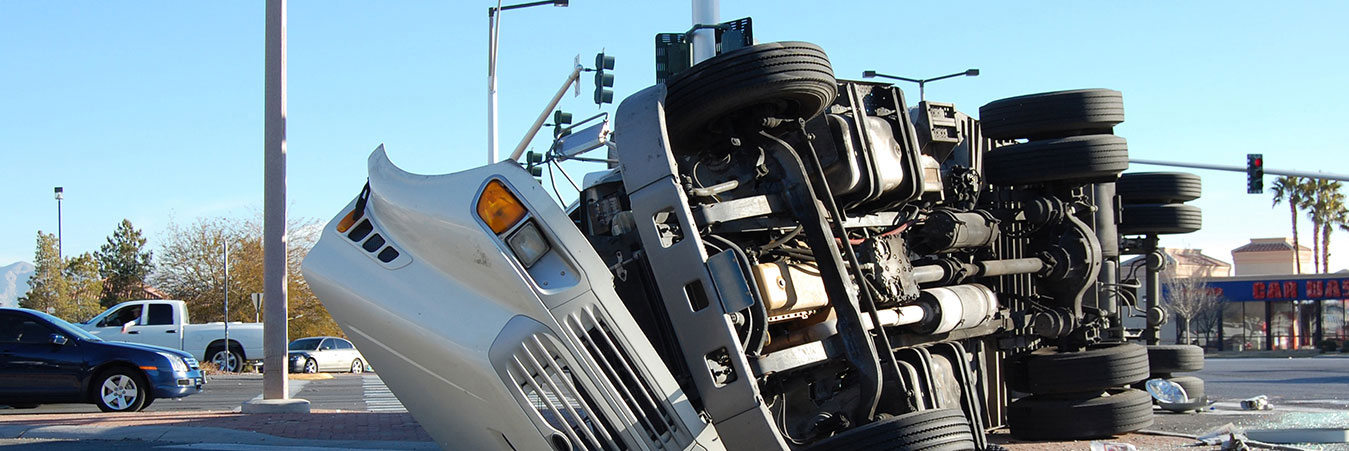
After a collision with a commercial truck, the complexity of the case escalates far beyond a typical car accident. You need legal representation that possesses the unique experience, expertise, authoritativeness, and trustworthiness (E-E-A-T) required to navigate Federal Motor Carrier Safety Administration (FMCSA) regulations, electronic black box data, and the aggressive defense tactics of multi-billion dollar trucking and insurance companies. Choosing the right legal partner is your first and most critical step in pursuing full compensation. This guide outlines the essential qualities, processes, and transparency you should demand from your truck accident lawyers. For comprehensive legal resources and a free case evaluation, visit [THE ANCHOR TEXT/KEYWORD HERE] at [THE URL HERE].
🛡️ E-E-A-T in Legal Content: Our Commitment to You
As an authoritative source in personal injury law, we adhere strictly to Google’s E-E-A-T principles to ensure the information provided is reliable, transparent, and created by qualified professionals.
-
Experience: Our content is informed by years of handling complex trucking litigation, not just theoretical legal knowledge. We share insights gained from courtrooms and negotiations, providing a realistic perspective on case outcomes.
-
Expertise: Our lawyers possess specialized knowledge of both state negligence laws and complex federal trucking regulations (e.g., hours-of-service, maintenance logs). This expertise is non-negotiable in an industry governed by the FMCSA.
-
Authoritativeness: We are recognized by industry peers and clients for our focus on trucking cases, which we support with public case results, professional affiliations, and clear attorney credentials.
-
Trustworthiness: Trust is our foundation. We operate on a contingency fee basis (detailed below), provide clear communication, and protect your privacy with secure systems. We use zero automation to generate legal advice or client communications; every step is handled by our legal team.
🛑 The Critical Difference: Truck vs. Car Accidents
A commercial truck accident is not just a bigger car wreck. The legal challenges are fundamentally different, requiring specialized knowledge and immediate action.
| Feature | Car Accident Claim (Typical) | Truck Accident Claim (Complex) |
| Regulation | State traffic and insurance laws | Federal (FMCSA) and State laws |
| Liable Parties | Usually one or two drivers/owners | Driver, trucking company, cargo loader, manufacturer, maintenance company (Vicarious Liability) |
| Evidence | Police report, witness accounts, photos | Black Box (EDR) data, driver logbooks (ELD), maintenance records, toxicological reports, load manifest |
| Opponent | Private individual’s insurance adjuster | Highly-funded corporate legal/defense team & commercial insurance |
| Timeline for Action | Extremely short; crucial evidence is often legally destroyed after 6 months |
✅ Immediate & Actionable Steps Your Lawyer Must Take
A skilled truck accident lawyer must immediately send a Spoliation of Evidence Letter (or Preservation Letter) to all involved parties. This is a critical legal tool that prevents the destruction of evidence, which trucking companies are legally permitted to discard after six months.
Copy-Paste Template: The Core of a Preservation Letter
“Demand is hereby made that you and your agents immediately preserve all evidence related to the collision involving [Client Name] and your commercial vehicle on [Date] at [Location]. This includes, but is not limited to: Electronic Data Recorder (EDR)/Black Box data, Electronic Logging Device (ELD) records, driver qualification files, maintenance records, drug/alcohol test results, dashcam footage, and all related communications.”
Lawyer’s Critical Checklist: Within 72 Hours
-
Preservation Letter: Sent to the driver, trucking company, owner of the cargo, and all associated insurance carriers.
-
Scene Investigation: Dispatch an Accident Reconstruction Expert to the scene to document perishable evidence (skid marks, debris) before it vanishes.
-
Secure Evidence: Initiate the legal process to download Black Box data before it is overwritten.
-
Medical Coordination: Advise the client on the importance of comprehensive medical documentation for future claims.
💰 Our Transparency Policy: Fees, Costs, and Guarantee
We believe in full transparency regarding the cost of pursuing justice.
The Contingency Fee Promise
-
What’s Included: Attorney fees, legal advice, investigation, negotiation with all defendants, filing the lawsuit, and trial preparation.
-
What’s Excluded (Case Costs/Expenses): We generally advance all necessary case expenses (expert witness fees, filing fees, deposition transcripts, etc.). These costs are only reimbursed from the final settlement or verdict.
-
The Guarantee: We work on a Contingency Fee Basis, typically 33.3% to 40% of the final recovery, depending on whether the case settles pre-suit or goes to trial. If We Do Not Win Your Case, You Owe Us No Attorney’s Fees.
Note on Case Costs: In the unlikely event a case is lost, you will not be asked to pay back the costs we advanced. This risk is fully borne by our firm, ensuring your family does not take on financial risk while seeking justice.
❓ Frequently Asked Questions (FAQ)
Q1: How long do I have to file a claim?
The deadline is governed by your state’s Statute of Limitations, which can be as short as 1–3 years from the date of the accident. However, due to the need to preserve critical, perishable evidence (like the black box data), you must contact a lawyer immediately after the crash.
Q2: Can I handle the claim myself with the insurance company?
You can, but it is highly discouraged. Commercial truck insurance adjusters are trained to minimize payouts and will exploit any statement you make. Hiring an attorney immediately levels the playing field, as we deal directly with the carrier’s legal team.
Q3: What types of compensation can I recover?
Compensation generally falls into two categories:
-
Economic Damages: Quantifiable losses (e.g., current and future medical bills, lost wages, diminished earning capacity, property damage).
-
Non-Economic Damages: Subjective losses (e.g., pain and suffering, emotional distress, loss of enjoyment of life, disfigurement).
-
Punitive Damages: Available only in rare cases of extreme or willful negligence, intended to punish the at-fault party.